
Source: in2vate
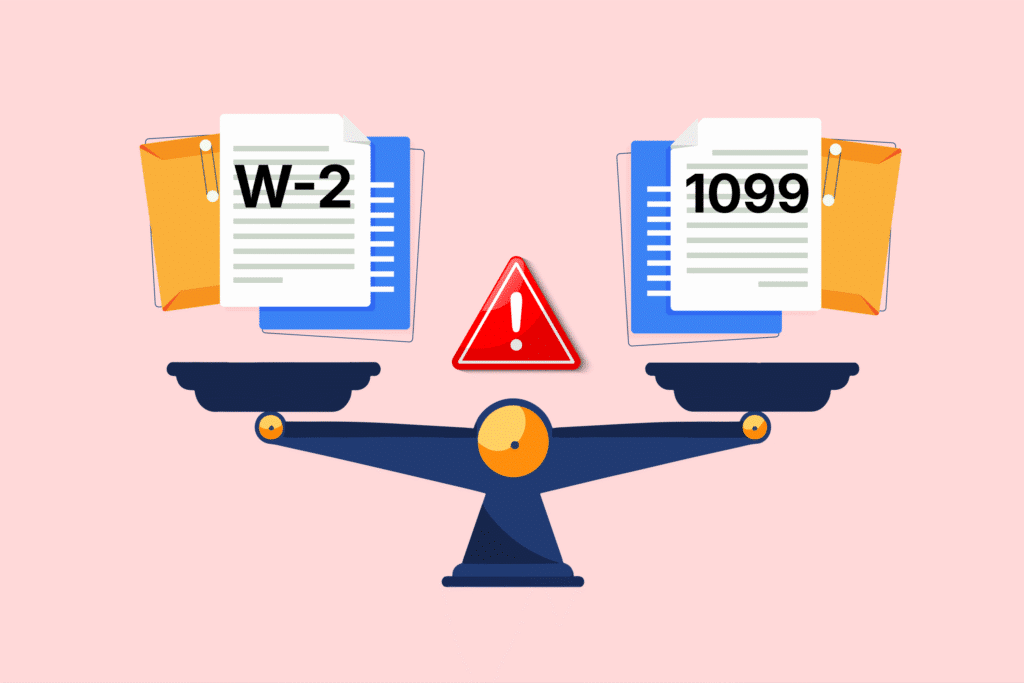
Worker classification has always been a complex compliance issue, but it has become an even greater area of focus as federal regulators renew their attention on independent contractor misclassification. For managers, this is more than a legal technicality. Misclassification can expose an organization to significant financial, operational, and reputational risk.
At its core, the issue is simple: calling someone an independent contractor does not automatically make them one.
Why Misclassification Matters
When employees are incorrectly classified as independent contractors, organizations may inadvertently fail to provide required protections such as minimum wage, overtime, unemployment insurance, workers’ compensation coverage, and employee benefits. Misclassification can also trigger tax liabilities, penalties, back wages, and costly audits.
Federal scrutiny of worker classification remains high, even as the regulatory framework continues to evolve. In 2025, the U.S. Department of Labor issued enforcement guidance stepping back from the 2024 rule while continuing to prioritize misclassification investigations. In early 2026, the Department proposed a new rule that would again reshape how independent contractor status is evaluated. This ongoing regulatory activity makes one thing clear: worker classification remains a significant compliance priority, and employers should expect continued scrutiny.
The Manager’s Role
Managers often influence day-to-day working arrangements in ways that can unintentionally create classification risk. For example, a worker may initially be engaged appropriately as an independent contractor, but over time the relationship can evolve.
Risk increases when managers:
- Set fixed work schedules
- Require exclusive service
- Closely supervise how work is performed
- Provide extensive training
- Assign duties identical to employees
- Integrate contractors into routine employee operations
The more control the organization exercises over how, when, and where work is performed, the more likely the worker may be considered an employee under the law.
Common Misconceptions
One of the most common misunderstandings is that a signed contract settles the issue. It does not. Regulators look beyond the agreement and examine the actual working relationship. Similarly, paying someone via a 1099, allowing remote work, or labeling them a “consultant” does not determine classification. What matters is the economic reality of the relationship.
Warning Signs for Managers
Managers should pause and consult HR or Legal if a contractor:
- Works primarily for your organization
- Performs core business functions
- Uses company equipment exclusively
- Has limited opportunity for independent profit or loss
- Is subject to the same rules and oversight as employees
These factors can indicate that the individual may be economically dependent on the organization rather than operating an independent business.
Best Practices
To reduce risk, managers should clearly understand the boundaries of contractor relationships. Contractors should generally control how they complete their work, maintain independence in their business operations, and retain the ability to provide services to other clients. Any significant changes in duties, oversight, or work arrangements should be reviewed before implementation.
The Leadership Standard
Classification decisions are not simply administrative—they are risk decisions. Managers who understand the distinction between employees and independent contractors help protect the organization from audits, litigation, and unexpected liabilities.
Manager Checklist
- Understand the difference between contractors and employees
- Avoid controlling how contractors perform their work
- Watch for changes in working relationships
- Consult HR before expanding contractor responsibilities
- Document the business purpose for contractor engagements
Still unsure about classification? Contact Allied today and let us help.