
In our fast-paced world, it’s easy to sacrifice sleep for work, social activities, or entertainment, with the belief that we can simply “catch up” on lost sleep during the weekend. However, this approach can have serious consequences for both short-term and long-term health. Understanding the dangers of sleep deprivation and the inefficacy of catching up on sleep is crucial for maintaining overall well-being.
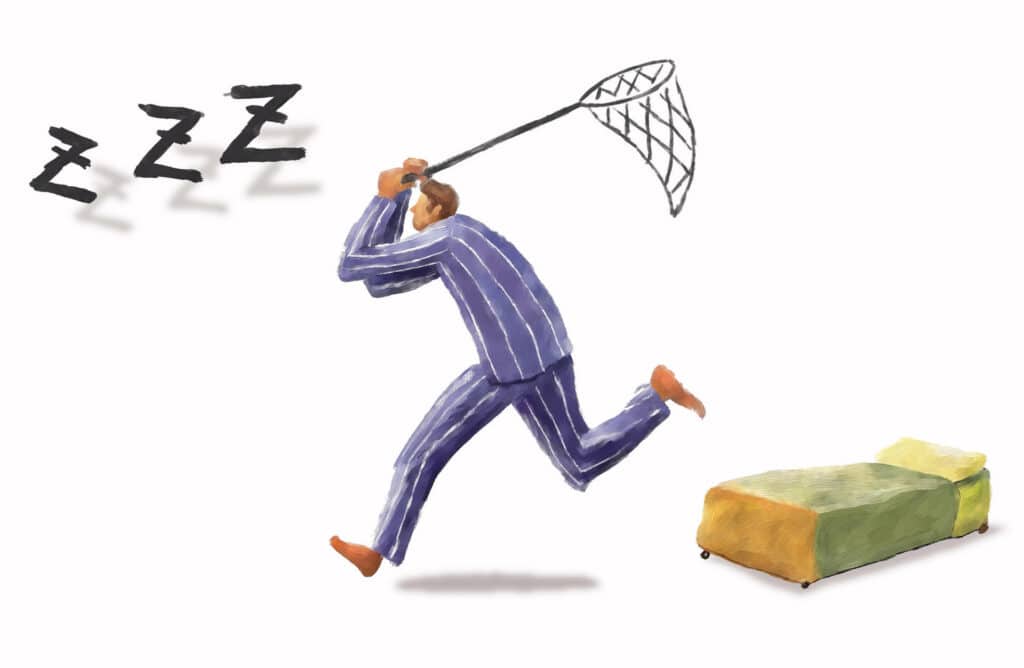
Sleep deprivation, even for just a few nights, can lead to immediate and noticeable effects. Cognitive functions like memory, attention, and decision-making are significantly impaired, increasing the likelihood of mistakes, accidents, and poor performance in daily tasks both at home and at work. Additionally, lack of sleep affects mood, leading to irritability, stress, and a higher risk of developing anxiety and depression.
When sleep is constantly sacrificed, the body enters a state of chronic sleep deprivation. This condition has been linked to serious health issues, including weakened immune function, increased risk of cardiovascular disease, diabetes, and obesity. Chronic sleep deprivation also disrupts hormone regulation, contributing to weight gain and metabolic problems.
The body needs consistent, quality sleep—typically 7 to 9 hours per night—to perform essential restorative processes.
The idea of “catching up” on sleep may seem appealing, but it doesn’t fully restore the deficits caused by sleep loss. While sleeping in on the weekends might make you feel temporarily refreshed, it does not reverse the cognitive and physical damage caused by prolonged sleep deprivation. Rather than relying on the false notion of catching up on sleep, it’s crucial to make consistent sleep a daily priority for long-term well-being.
Source: Work Right NW, LLC. 1760 Down River Dr., Woodland, WA 98674, workrightnw.com